Bactria: The History of a Forgotten Empire
Bactria: The History of a Forgotten Empire
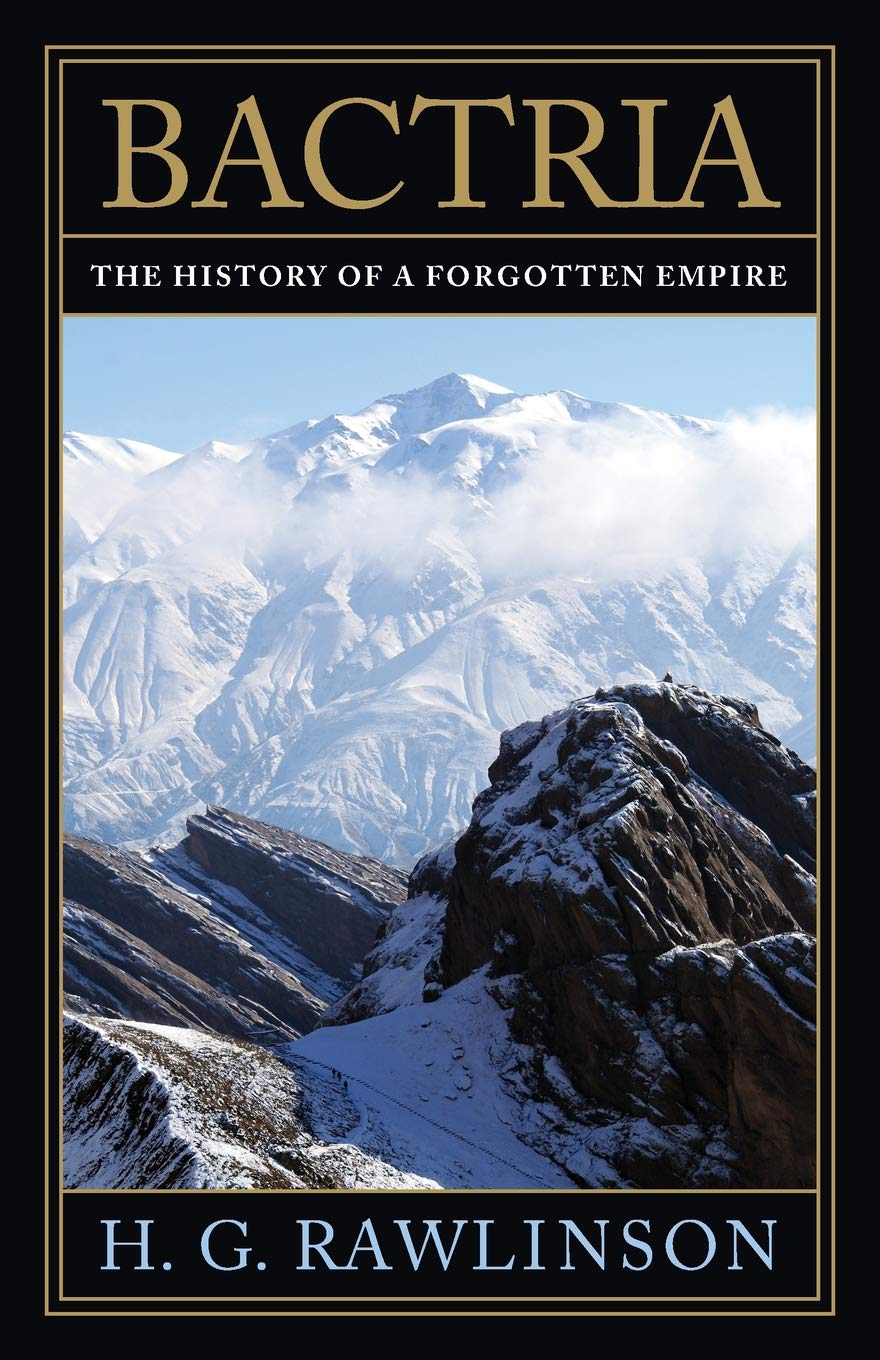
Bactria: The History of a Forgotten Empire
OTHER ARTICLES

An Important Account of the Greek State That Ruled the Hindu Kush for Centuries in the Wake of Alexander the Great“If through the Bactrian Empire European ideas were transmitted to the Far East, through that and similar channels Asiatic ideas found their way to Europe.”—Intellectual Development of EuropeFollowing the Macedonian invasion of Persian in the fourth century B.C., an independent Greek-ruled empire emerged over an area encompassing modern Afghanistan, eastern Iran, and northern Pakistan. This ancient empire, called Bactria, is recorded in texts, both Asian and European, as well as through coins, inscriptions, and architectural remnants. Bactria served as a contact point between Europe, South Asia, and the Far East for more than two hundred years before disappearing under the pressure of a resurgent Persia to the west and Indian states to the east. In Bactria: The History of a Forgotten Empire, historian Hugh G. Rawlinson begins with the early history of Bactria and its subjugation by Persia, and then describes the conquest of Iran by Alexander the Great and the establishment of an independent Bactria ruled by Greeks. The Bactrians adopted Buddhism early on and helped establish the religion throughout the area. The author then follows the history of the empire through its rulers, including Menander, until Greek rule was extinguished around 135 B.C. Finally, the author discusses the effects of Greek occupation on the region. Based on meticulous research in ancient texts from Greece, Persia, and India, and using material evidence of the time, this history, which won the Hare University Prize at Cambridge in 1909, remains relevant today, providing a fascinating portrait of a little-known connection between East and West.


Comments
Post a Comment